“The book was better.” Four simple words that are absolutely delicious to say and totally annoying for the person on the other end to hear. The former gets to virtue signal that they're a heightened, erudite being because they, yes, read. The latter because, calm down, diva. You read.
That said, not all books are superior to their adaptations. With all due, About a Boy the movie is better than About a Boy the book (Hugh Grant at his best + Toni Collette who is fantastic in everything + a young, great Nicholas Hoult). Devil Wears Prada, also better than the book. And Normal People the series was leaps and bounds better than the book (sorry, not sorry).
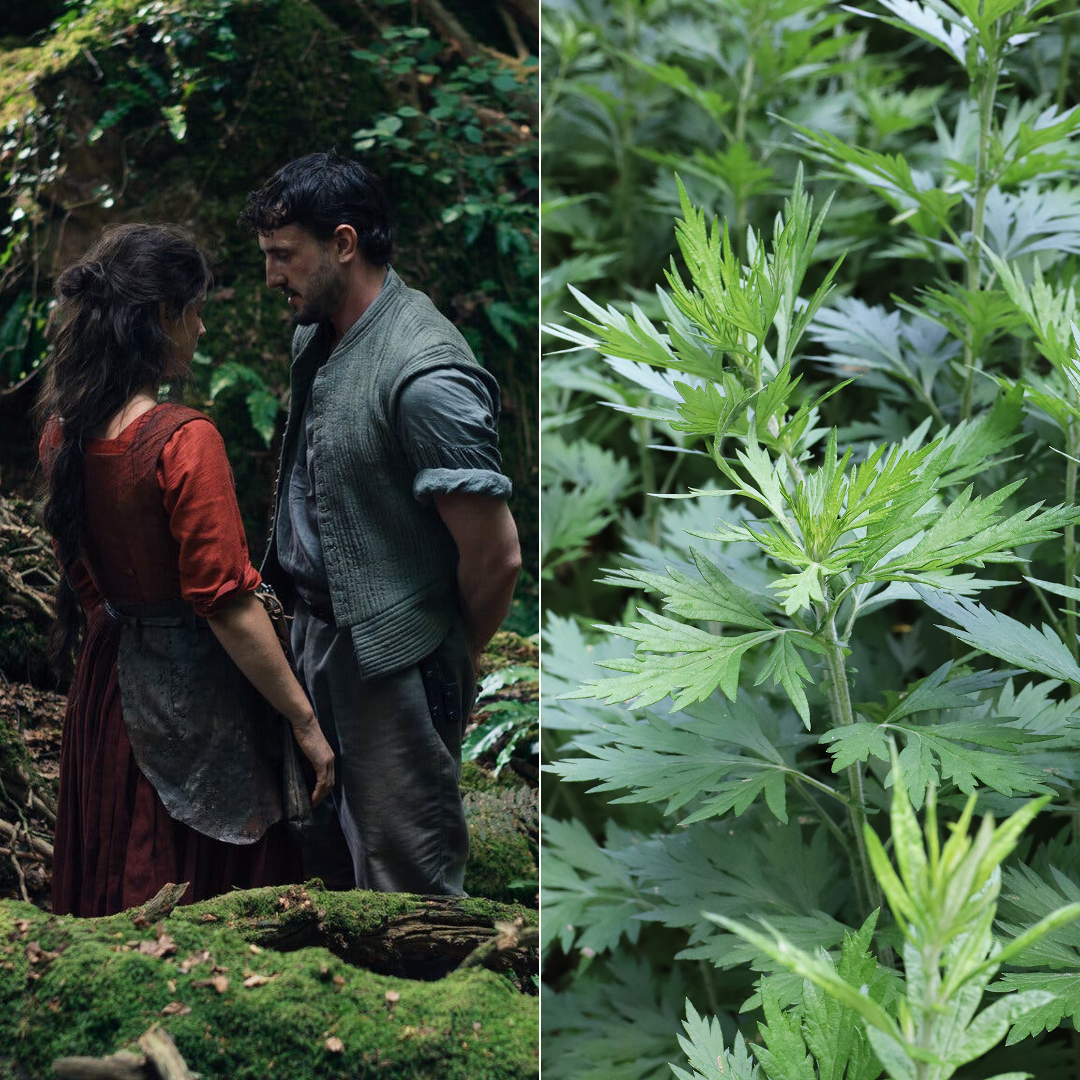
When I saw Hamnet—the new movie based on Maggie O’Farrell’s 2020 historical fiction novel about Agnes Shakespeare and her husband William—I came to a draw. Both the book and the movie were heartbreaking and beautiful, in different ways. (Elena Ferrante's Neapolitan quartet vs. My Brilliant Friend the HBO series was the only other time I've come to a similar impasse.)
My first go at reading Hamnet, I could barely get through the first 50 pages. Too much hype, too much plague talk (and we were in the thick of COVID-19). In 2023, I read O’Farrell’s other novel, The Marriage Portrait—and oh my god, I loved it. So the following year, I figured, let’s revisit Hamnet and try to understand the fuss.
The second time was the charm. Maybe because I was in the midst of a two-year herbalism program, and O’Farrell’s Agnes is an herbalist, not to mention a “forest witch” and clairvoyant (little is officially known about Agnes a.k.a. Anne Hathaway).

It feels strange to say how enthusiastic I feel about the book considering it's about Agnes and William’s son of the same name who contracts the bubonic plague, dies and—at least according to O’Farrell’s fictional retelling—inspired his father’s famous play. (In records from the late sixteenth and early seventeenth centuries, Hamnet and Hamlet are interchangeable.)
According to historical record, Shakespeare's son did indeed die, though we don't know exactly how. In the book (and the movie), his death is the inciting incident to explore love, grief, resentment, anger, devastation and letting go.
But for a novel about death, O'Farrell paints such a vivid, alive world. Much of that comes from her descriptions of nature. And given Agnes’ wisdom of plant medicine and her role as a community herbalist, so are the descriptions of comfrey, rosemary, chickweed, borage, chamomile, valerian, feverfew and “constellations” of “fire-red [rose] hips.” The natural world is Agnes' sanctuary. As her late mother tells her in a dream, “The branches of the forest are so dense you cannot feel the rain.”
In April 2023, it was announced that the book was being adapted into a movie. Steven Spielberg producing, Chloé Zhao (Nomadland) directing, O’Farrell cowriting the script with Zhao, Jessie Buckley (The Lost Daughter) as Agnes and Paul Mescal as William Shakespeare (Normal People).
While the book jumps back and forth through time, the movie is chronological. It’s also condensed for its 125-minute runtime. We lose details from the novel of course: Agnes’ medicine woman role in the community, the middle section of how the plague spread, not to mention the kind of haunting silence that only blank pages of a book can produce.
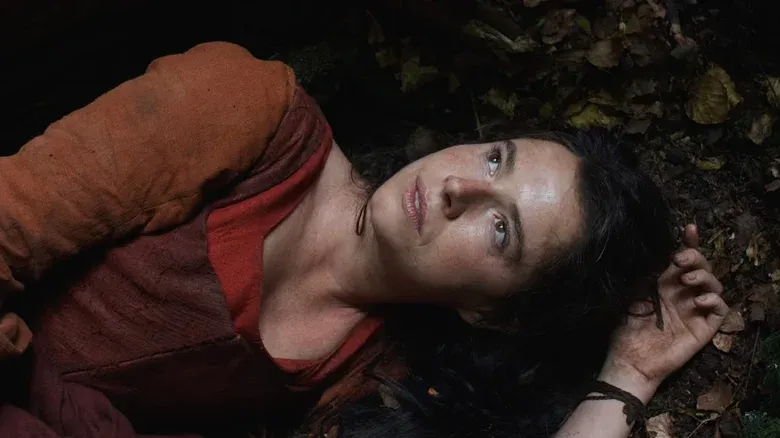
When we read, obviously we paint our version of how everything should look and sound. On Agnes’ grief, we decide how high or low to turn that volume. Movies, on the other hand, leave little room for imagination, for better or worse. In Hamnet the movie, the brilliant Jessie Buckley wails, caterwauls and shrieks. In an artful way because this is Chloé Zhao, but still, our senses are filled for us. Some critics call the movie voyeuristic grief porn. A little too much.
But no. Buckley is too good and nuanced to make this movie feel over the top. If you’ve seen The Lost Daughter or I’m Thinking of Ending Things, you know that she is one of the greats. In Hamnet Buckley isn't overdoing it. She's just so fully in it. I didn’t cry once while reading the book. But in that theater, my friend and I were straight up bawling. All of this, amplified by Max Richter’s score and how director of photography Łukasz Żal (The Zone of Interest) composes each shot.

The actors and Zhao have been on a press tour for the film, and the most compelling nugget that keeps coming up is how Zhao and Buckley tapped into their dreams to help excavate emotions that needed to come through the camera. Their process, distilled in T Magazine:
“Buckley…connected with the character partly through dreams. Before shooting began in England, first in rural Hereford, near Wales, and then at a studio north of London, she introduced Zhao…to Kim Gillingham, a coach with whom she’s begun considering the ways her dreams might impact her artistry. Zhao…is herself interested in what she calls ‘subconscious work that’s not linear’ and became fascinated by Gillingham’s process, a kind of loose, collaborative exploration that draws on the ideas of Carl Jung. During the two-week rehearsal period for the film, Zhao would gather the cast and key crew members to discuss their dreams and how, if at all, they related to themes in the story."
I'm no psych PhD, but at a high level, Jung believed that dreams are where the unconscious and conscious meet. “Dreams are impartial, spontaneous products of the unconscious psyche, outside the control of the will,” Jung said in his Collected Works Volume 10. “They are pure nature; they show us the unvarnished, natural truth, and are therefore fitted, as nothing else is, to give us back an attitude that accords with our basic human nature when our consciousness has strayed too far from its foundations and run into an impasse.”
Scientists say dreams can be a release, a rehearsal, a way to solve problems, generate inspiration and assist our healing. Through the Jung lens, that’s because dreams are unearthing things we might be ignoring. If it’s something we’re scared or anxious about, it'll likely come to you in a dream.
The short days, long nights and colder weather of winter ask us to root down so we can unearth things, too—even if the Western world and capitalism tell us otherwise. It's wild that when animals and plants are going into hibernation, we're overeating, over-drinking, oversocializing and overspending. It’s a time of extra but really we should all just be slowing our rolls.
I was like that, overdoing it for many years, winters and otherwise, until December 2019 when I developed an autoimmune disease—hot, inflamed, swollen joints, especially if I was stressed and especially if I was cold. Few things make you change your habits like seeing physical symptoms. So I shifted to quieter, more introverted winters. Warm baths, warming herbs, hot soups, less socializing. Even now, though my joints are better, I often tell my friends that come December, I’ll be in my cocoon until spring. Buh-bye.
The thing about sitting in the quiet, though, is without distraction, we’re left with—dun dun dun—our thoughts. That can be all sorts of confronting. But dreams are one way to work through those thoughts. Yes, you're a bit straight-jacketed during it, but maybe that's what some of us need in order to face the blind spots. *Raises hand.*
To enhance my dreams, I turn to mugwort, or Artemisia vulgaris, an aromatic bitter associated with dreaming. In Hamnet the movie, Agnes repeats a mantra about mugwort that her mother once taught her. Agnes also has a unique connection to the dreamworld and other fields of consciousness. By firmly pressing the skin between someone’s thumb and forefinger, she, as O’Farrell writes in the book, “divines what a body needs or lacks or bursts with, how she can tell if a soul is restive or hankering, how she knows what a person or a heart hides.”
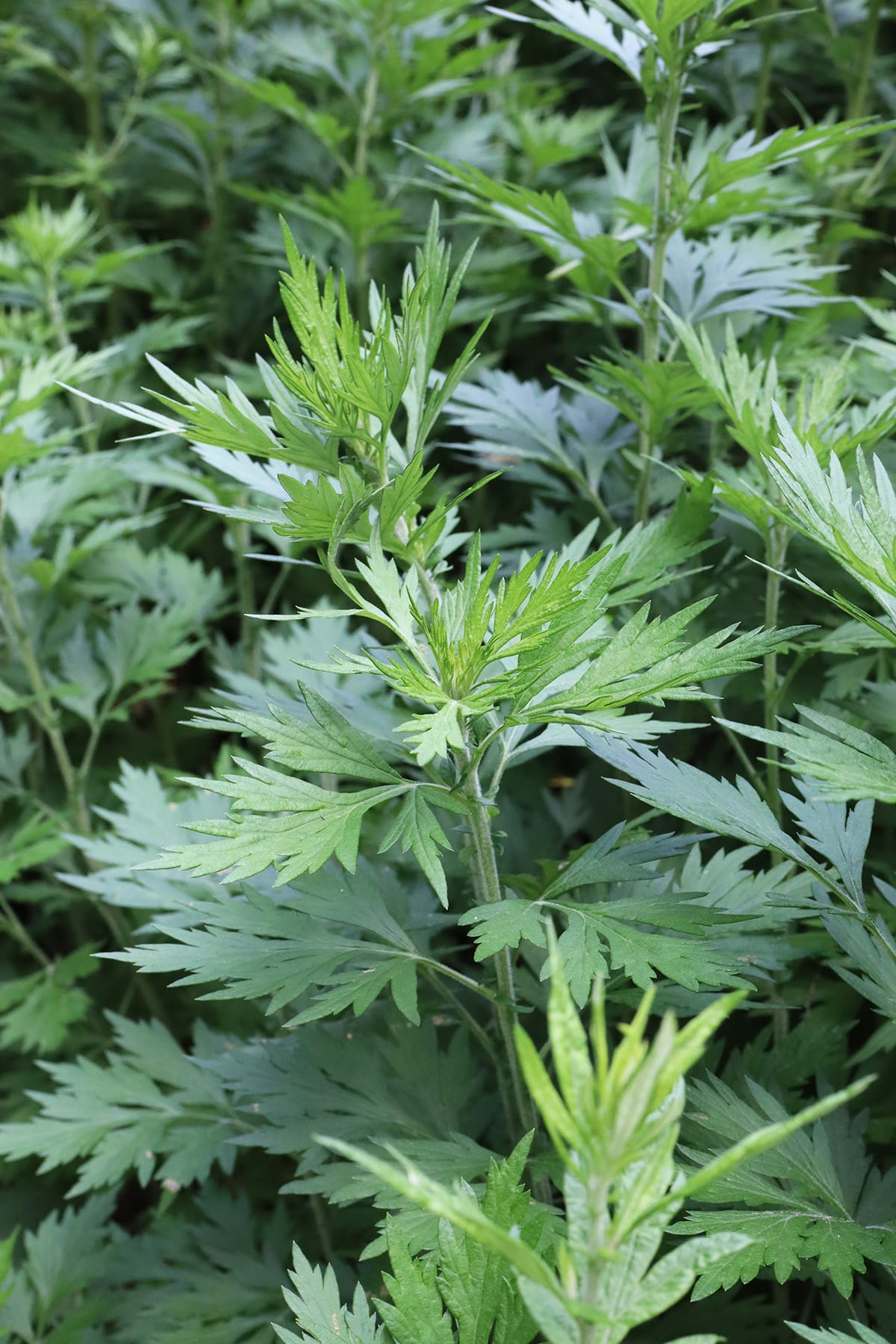
Native to North America, Europe and Asia, mugwort’s scientific name comes from Artemis, the goddess of the moon, the wilderness, wild animals and fertility. She was also known as a helper to midwives. The underside of mugwort leaves are a cool silvery green, very moon-esque. Artemisia vulgaris is a vigorous, drought-tolerant gal who can grow most everywhere in the northern hemisphere, even in crappy soil. If you plant mugwort, know that she will grow and grow and grow. That just means more to harvest. Snip the leaves when she's just starting to flower for the most potent medicine.
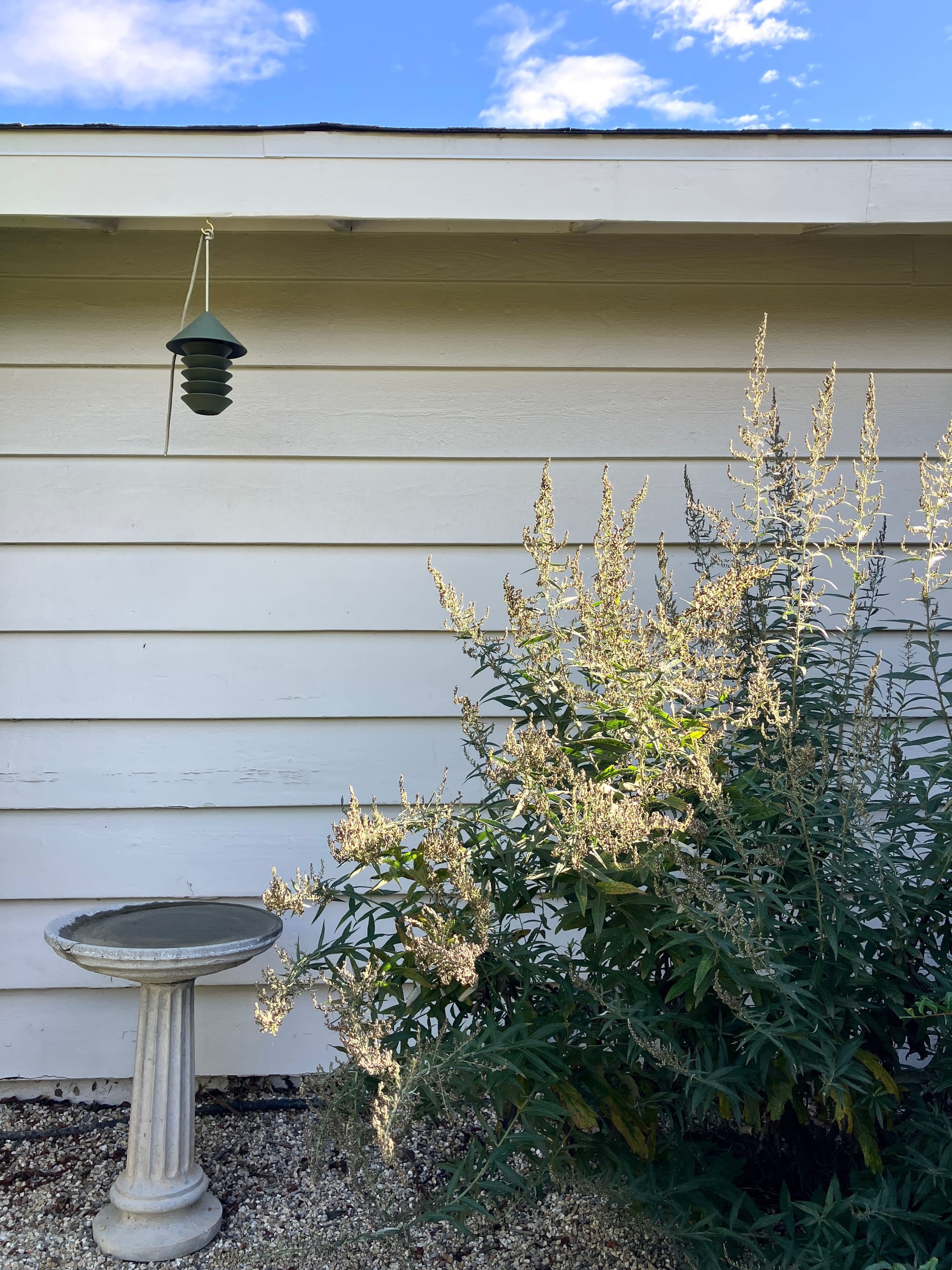
Mugwort is very bitter. In tea form, it's...not good (add chamomile and/or catnip). But bitterness is almost always a clue that a plant is great for digestion. Mugwort can help relieve gas and nausea, help the liver produce bile and the gall bladder secrete bile. A.k.a. it keeps your digestion flowing and supports nutrient absorption. (It's also a mild antiparasitic; in those situations, consult a doctor first.)
Getting the liver "unstuck" also nods to its affinity for the female reproductive system. Hormonal levels fluctuate throughout a woman's cycle, and the liver has to process those large, super complex molecules. That can be taxing on our liver, so mugwort is like the friend that eases things down the road. And because mugwort has a warming quality, it can help relieve PMS cramps, stress and mood swings, painful periods and the nervous system as a whole.
Like I said, I don't love it as a tea (though if you want to try, 1 tsp dried herb in 8 oz. hot water, steeped covered for 40 minutes). There's conflicting info on whether it's safe as an extract (some say about 1/4 tsp three times per day, others say none at all because of the essential oil thujone, which can lead to convulsions).
A note from the herbalist: Mugwort is contraindicated during pregnancy. If you're pregnant or experience irregular periods, talk to your doctor before taking mugwort in any form. If you have boils or other conditions that are fiery, hot and inflamed, avoid mugwort. Overdosing on mugwort can lead to nausea, vomiting, dry mouth, dizziness, diarrhea and seizures.
But I love mugwort so much for its more esoteric qualities. Mugwort "soothes away the hardness that we develop when we have had to push ourselves over a long period to cope against all the odds," says herbalist Lucy Jones. "It is dreamy on one level, but through its ability to make us more comfortable in our own bodies, it is grounding and empowering."
An easy way to start? Stash a few leaves in your pocket. "When carrying mugwort you cannot be harmed by poison, wild beasts or sunstroke," Scott Cunnhingham says in The Magical Encyclopedia of Herbs. "In China it is hung over doors to keep evil spirits from buildings."
I tend to use it topically and aromatically:
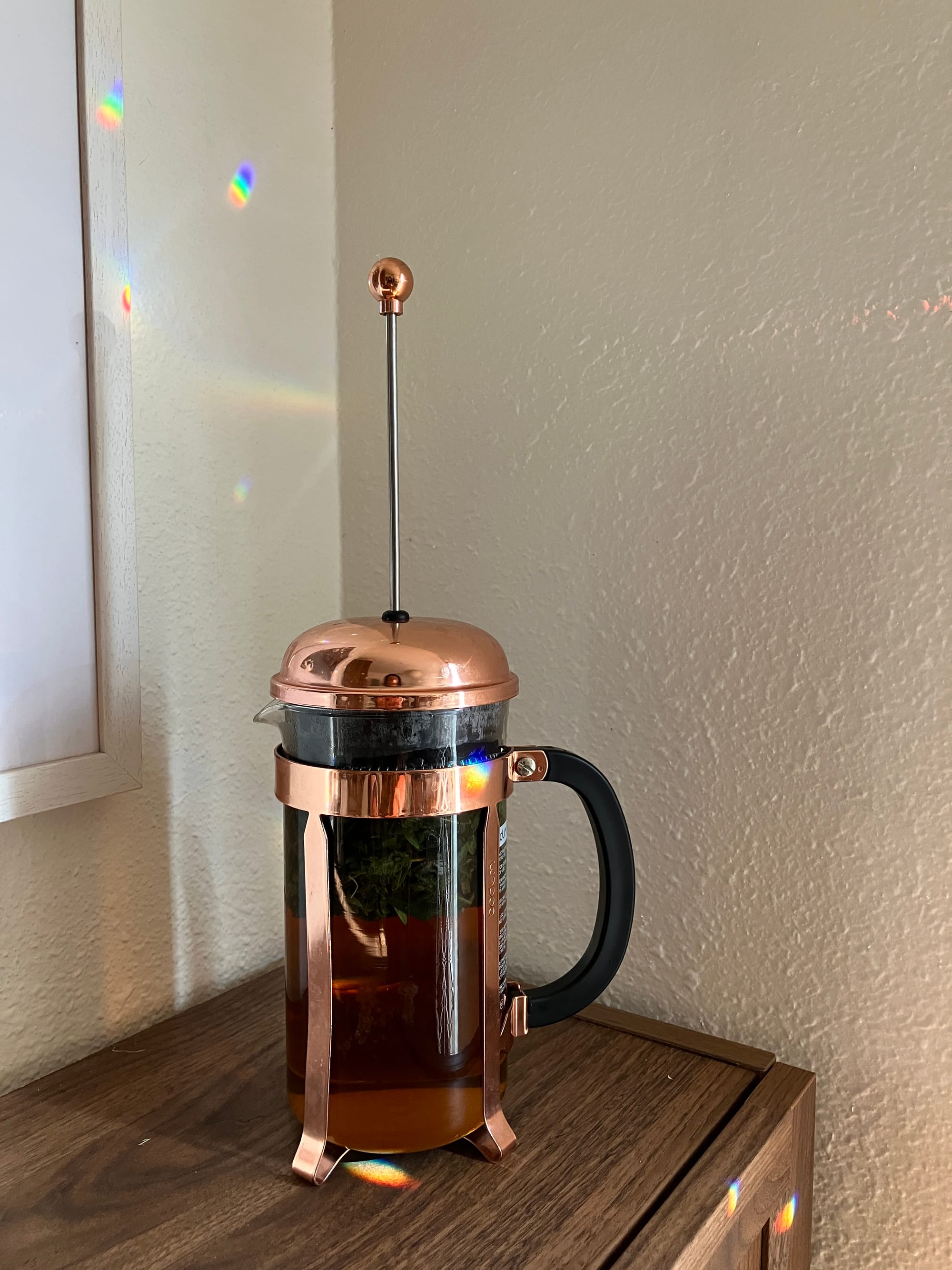
- Herbal baths: I fill my 32-ounce for-tea-only French press with dried mugwort—leaves torn and rubbed to release the plant's volatile oils—and pour just-boiled water over it. I let it steep at least one hour, but I often forget and it's like four hours before I remember. All good because I'm not drinking it; I'm just pouring the strained tea into my bath.
- Poison oak relief: As Lanny Kaufer says in his book, Medicinal Herbs of California, "Mugwort is often found growing next to poison oak. The late Chumash plant expert Juanita Centeno showed me how to use the juice of fresh mugwort to stop the itching...in early stages. She rolled several fresh leaves between her palms. Within seconds, she was dripping and patting dark green juice on the affected area. This method...is not recommended once pustules have formed and broken open."
- Moxibustion: A Traditional Chinese Medicine practice that involves rolling the dried leaves into little "moxasticks" and placing them on or above blocked meridian points to increase warmth and circulation to cold, stiff areas. There's some research that it can help people with rheumatoid arthritis.
- Smudging: Like you would with white sage. Mugwort is said to clear and cleanse stagnant energy and "emotional residue." I like to throw a few leaves into our fireplace.
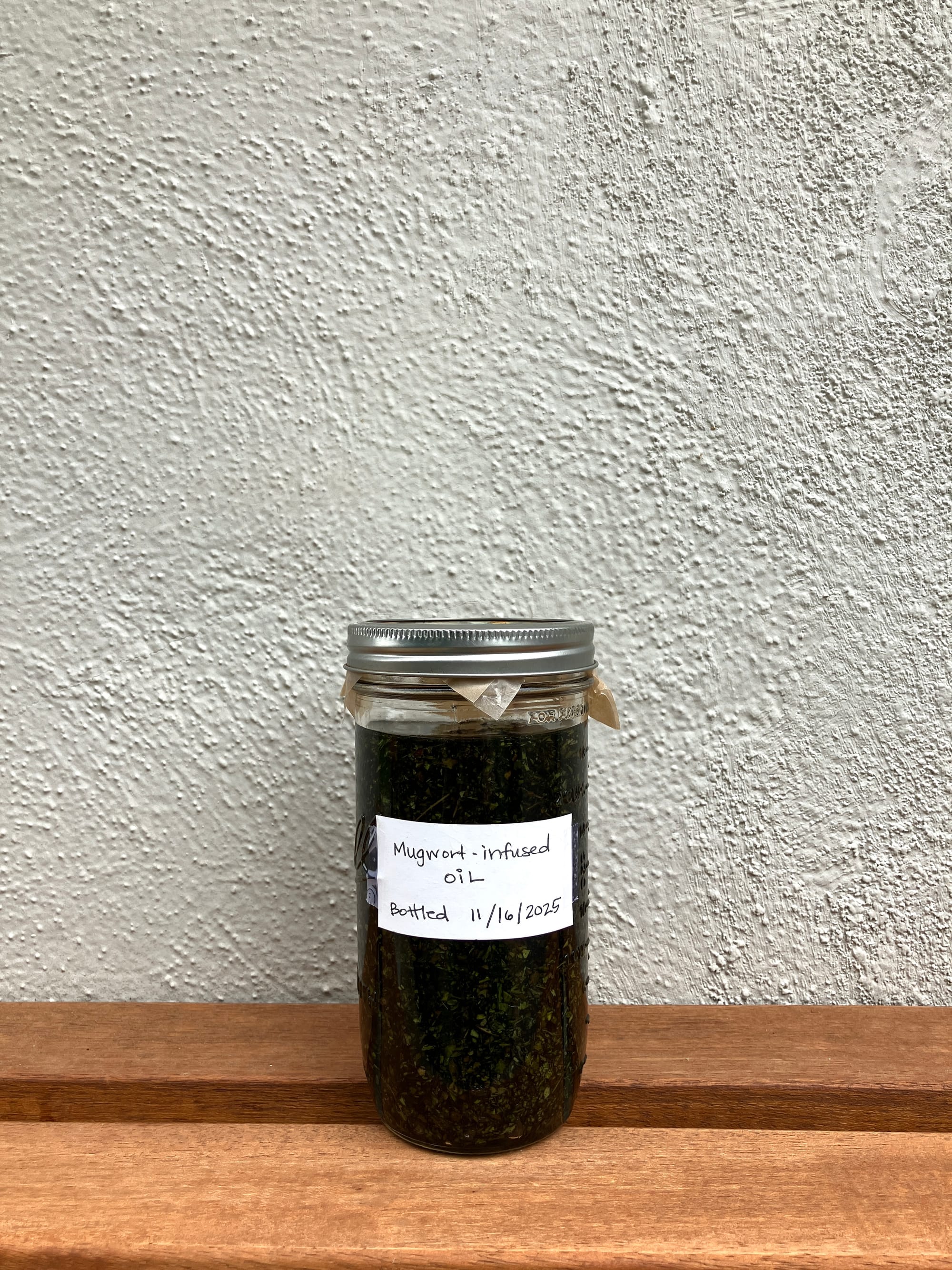
- Infused oil: Pulse dried mugwort leaves in a high-speed blender, loosely fill in a jar and pour in a carrier oil (olive, jojoba or almond, for example) until it covers the plant material by a couple inches. Place the lid back on, and keep it covered (e.g. in a paper bag) in a warm, sunny spot for about four weeks. Strain and apply as needed (like over the pelvis for menstrual cramps).
- Dream pillows: Mugwort is associated with inducing vivid, potentially prophetic dreams. So vivid you might not feel all that rested in the morning. More on this below.
Herbalist Dorothy Hall suggests mugwort is good for "people in whom the intuitive, psychic, psychological, creative and artistic side of the mind is highly developed, but who have trouble with expression, or with the world around them."
Besides therapy, my dreamworld is where I primarily work out all the gunk in my head. In my waking state, I can easily distract myself from the touchy subjects. But in my dreams, all bets are off.
Buckley talked to the Vanity Fair Awards Circuit podcast about storytelling, but it could just as easily apply to dreams: "In ancient times [storytelling] was used as a vessel to transcend through feelings we couldn’t hold ourselves or needed. In some ways [now]...we want sensational feeling to distract away from the things we need to be in contact [with] again.”
That's what dreams are for me. A place of contact and getting more deeply in touch with what's going on inside. Winter is a great time for this. And dream pillows are a great medium to make it happen.
How to Make a Dream Pillow
You'll need:
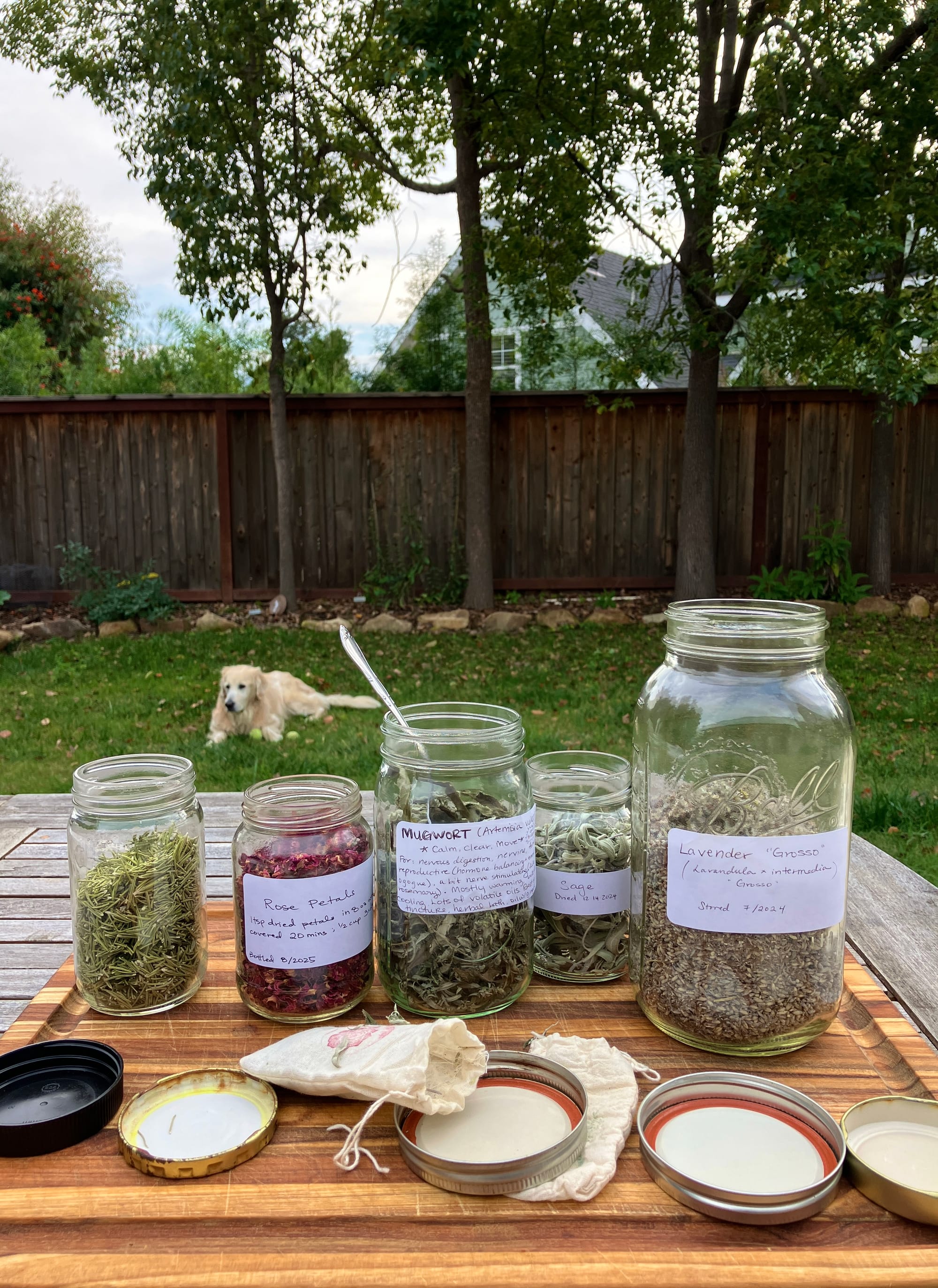
- A cotton muslin bag (I use ones that are about 3" x 4") You could even use a clean sock or other sachet made of natural fibers
- Dried mugwort
- More dried herbs. Here are some classic dream pillow suggestions:
- Rosemary (also enhances dreaming)
- Lavender (helps with insomnia)
- Hops (ditto)
- Chamomile (relaxing)
- Rose petals (heart opener)
What you'll do:
Combine your bespoke mixture of herbs in a small bowl, mix and pour into your sachet. Proportions are up to you, but don't overstuff it; dream pillows typically go inside your pillowcase so you don't want a big lump in there.
Seal it (by tying or sewing) and tuck it in your pillowcase. Be sure to give the sachet a little squeeze and crunch before bed to release the plant oils.
You might need to experiment with where you place it—top side of your pillow, underside, nighstand or maybe in a separate room if your dreams get too wild.
Until next year and the next newsletter, sweet dreams.

Sources
Chevallier, A. (2023). Encyclopedia of Herbal Medicine. DK.
Cunningham, S. (1985). Encyclopedia of Magical Herbs. Llewellyn.
de la Forêt, Rosalee. 2024, March 27. Mugwort with Corinna Wood [Audio podcast episode]. Herbs with Rosalee.
Ekiert H, Pajor J, Klin P, Rzepiela A, Ślesak H, Szopa A. Significance of Artemisia Vulgaris L. (Common Mugwort) in the History of Medicine and Its Possible Contemporary Applications Substantiated by Phytochemical and Pharmacological Studies. Molecules. 2020 Sep 25;25(19):4415. doi: 10.3390/molecules25194415. PMID: 32992959; PMCID: PMC7583039.
Gross, T., & Mosley, T. (2025, November 20). A sleep scientist excavates the world of dreams. NPR. https://www.npr.org/2025/11/20/nx-s1-5615232/a-sleep-scientist-excavates-the-world-of-dreams
Jones, Lucy. A Working Herbal Dispensary. Aeon Books, 30 May 2023.
Kaufer, L. (2022). Medicinal herbs of California a field guide to common healing plants. FalconGuides.
Liao C, Tao S, Xiong Y, Dai J, Bai Y, Wang X, Li Y, Wu P. The Effects and Potential Mechanisms of Moxibustion for Rheumatoid Arthritis-Related Pain: A Randomized, Controlled Trial. J Pain Res. 2023 May 26;16:1739-1749. doi: 10.2147/JPR.S408814. PMID: 37261035; PMCID: PMC10228586.
O'Farrell, M. (2020). Hamnet: a novel of the plague. Alfred A. Knopf.
Oldoni AA, Bacchi AD, Mendes FR, Tiba PA, Mota-Rolim S. Neuropsychopharmacological Induction of (Lucid) Dreams: A Narrative Review. Brain Sci. 2024 Apr 25;14(5):426. doi: 10.3390/brainsci14050426. PMID: 38790404; PMCID: PMC11119155.
Popham, Sajah. 2022, December 7. Mugwort: The Herb of Dreams [Audio podcast episode]. In The Plant Path.
Winston, David. Herbal Therapeutics: Specific Indications for Herbs & Herbal Formulas. Herbal Therapeutics Research Library, 2013.
Wood, Matthew. The Earthwise Herbal, Volume 1 : A Complete Guide to Old World Medicinal Plants. Berkeley, Calif., North Atlantic Books, 2008.